Assembly Line
Raw Materials, Production and Finished Goods
Optimizing the flow of raw materials, streamline production processes and automate the transport of finished goods.
Autonomous mobile robots streamline assembly line logistics by automating transport of raw materials, work-in-progress, and finished goods, improving safety, efficiency, scalability, and ensuring continuous, reliable, just-in-time production flow.
)
What if the real bottleneck isn’t your equipment, but how materials move across the plant? Manual transport via forklifts and carts often leads to delays, safety risks, and unstable material flow.
AMRs solve this by automating material transport, lineside delivery, and WIP movement, ensuring reliable, continuous flow across the facility. They reduce risks, eliminate bottlenecks, and improve overall efficiency and productivity.
By integrating AMRs, automotive manufacturers can stabilize takt time, reduce HPU, and build a more agile, future-ready production environment.
Why AMRs are the Perfect Solution for Assembly Lines?

Increased Efficiency
AMRs automate material transport, minimizing time spent on non-value-added tasks. This optimizes workflow, ensuring just-in-time deliveries of parts and inventory.

Seamless integration
AMRs integrate with MES, ERP, and WMS systems, enabling real-time material transport and optimizing production schedules for just-in-time operations.

Enhanced safety
AMRs reduce workplace accidents by automating heavy material handling, minimizing the need for manual labor, lowering injury risks.

Scalability
AMRs easily adapt to layout changes and growing business needs without requiring costly infrastructure upgrades.
Trusted by Automotive Manufacturers Worldwide
In automotive manufacturing, maintaining continuous material flow is critical to protect takt time and avoid costly bottlenecks. Delays in the movement of raw materials, components, or finished goods can quickly disrupt production and impact delivery performance.
Traditional transport methods such as forklifts, tuggers, and manual carts introduce inefficiencies, safety risks, and limited flexibility, making them increasingly unsuitable for modern, high-mix production environments.
How AMRs Revolutionize Automotive Manufacturing Warehouse Efficiency
Efficient handling of raw materials and components is critical to maintaining stable production flow. Manual processes and congested aisles often create delays, bottlenecks, and downtime that impact overall efficiency.
AMRs automate material transport from warehouse and supermarket to lineside, ensuring faster, safer, and continuous flow. By replacing manual handling, they reduce operator strain and improve throughput and OEE.
The result is a more efficient, flexible intralogistics system that keeps production aligned with changing demand.
)
Key Benefits of AMRs in the Raw Material Workflow
Enhanced Safety
AMRs reduce manual handling and forklift traffic, lowering safety risks and limiting operator exposure to hazardous materials on the shop floor.

Improved Inventory Accuracy
AMRs integrate with WMS and MES systems to enable real time inventory visibility, improving material accuracy and ensuring reliable stock availability at the line. This synchronization enhances material flow control, reduces errors, and supports more efficient, data-driven intralogistics operations.
Scalability
MiR AMRs scale with production demand, adapting to increasing dunnage and waste flows without requiring major changes to existing intralogistics setups.

Increased Efficiency
AMRs automate raw material transport, ensuring reliable lineside delivery while freeing operators for value adding production tasks. This improves flow, optimizes workflows, and keeps production running on schedule.
Related Automotive Manufacturing Applications
Automated scrap and waste removal is often integrated across automotive production lines to keep workstations clean, ensure steady material flow, and maintain consistent performance.
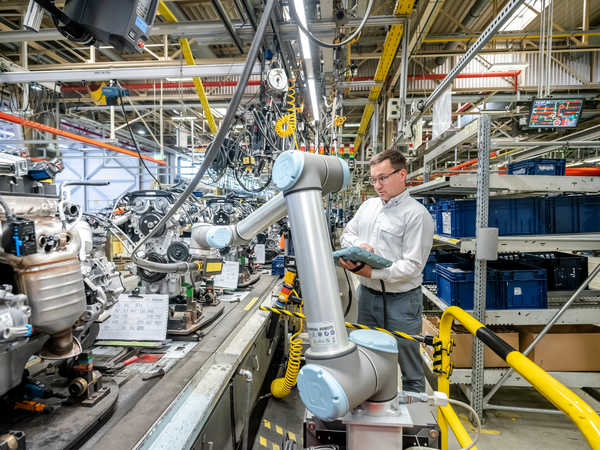
Automotive Nut Running
Screwdriving and nut running are often deployed on the same stations or adjacent stations and are evaluated together as fastening strategies.
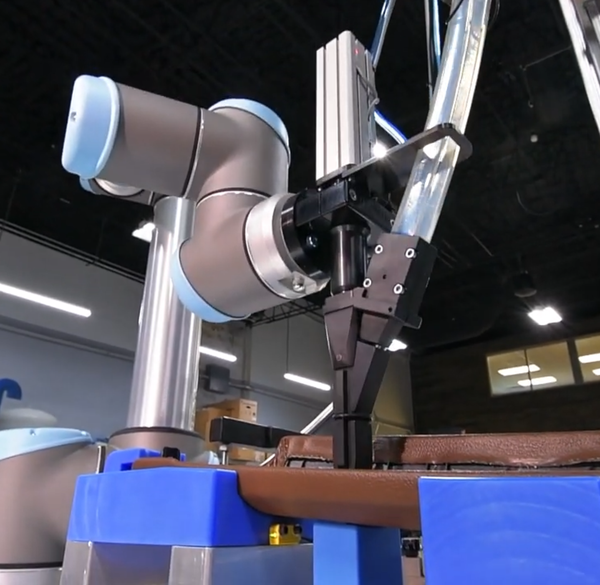
Automotive Clip Insertion
Automated clip insertion for interior and exterior assemblies, improving consistency and reducing part damage.
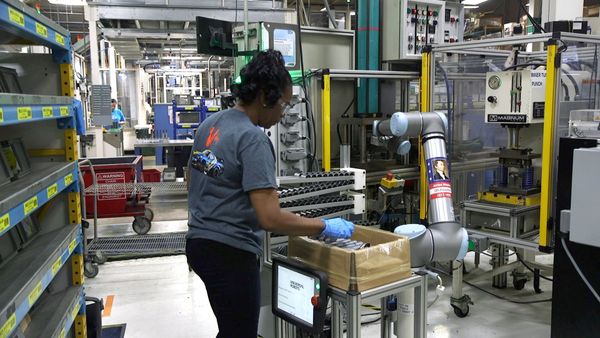
Automotive Press-Fit Assembly
Robotic press-fit operations for controlled insertion of bearings, bushings, and precision components.
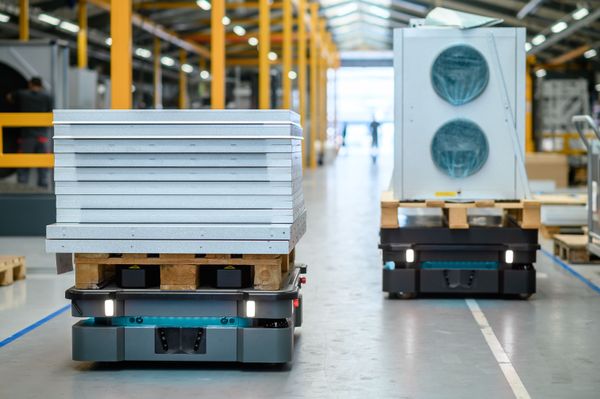
Automotive Parts Transportation
Automotive manufacturing relies on a continuous flow of materials. Components, kits, and containers need to reach the correct station precisely when required to ensure takt time and stable production.
Automotive Manufacturing: Robots Built for Resilient Production
How robots and AMRs scale automotive production and intralogistics — key applications and real case stories for OEMs and Tier suppliers.
)
See Waste Removal Before You Deploy It
Step into our automotive virtual factory to see how UR cobots support Waste Removal and other assembly processes across modern production lines.
)
Talk to an Automotive Automation Expert
Discuss your production challenges and identify where robotics can deliver the fastest impact.
)
Explore all Automotive Manufacturing Solutions
Robotics that support just-in-time manufacturing, consistent assembly, and robust automotive processes.
Inside Our E-book, You'll Find
Main drivers: understand how robotics supports productivity, flexibility, and resilient operations in automotive manufacturing.
Application overview: explore key workflows—from screwdriving and welding to EV battery assembly and parts transport.
Proven results: discover case stories and real-world applications demonstrating efficiency gains, quality improvements, and ROI.