Línea de ensamblaje
Materias primas, producción y productos terminados
Optimiza el flujo de materias primas, agiliza los procesos de producción y automatiza el transporte de productos terminados.
Los robots móviles autónomos agilizan la logística de la línea de ensamblaje al automatizar el transporte de materias primas, productos en proceso y productos terminados, mejorando la seguridad, la eficiencia y la escalabilidad y garantizando un flujo de producción just-in-time continuo y fiable.
)
¿Y si el verdadero cuello de botella no fueran sus equipos, sino cómo se mueven los materiales por la planta? El transporte manual con carretillas elevadoras y carros suele provocar retrasos, riesgos de seguridad y un flujo de materiales inestable.
Los AMR resuelven esto automatizando el transporte de materiales, la entrega a pie de línea y el movimiento de WIP, garantizando un flujo fiable y continuo en toda la planta. Reducen riesgos, eliminan cuellos de botella y mejoran en general la eficiencia y la productividad.
Al integrar AMR, los fabricantes de automóviles pueden estabilizar el tiempo de producción, reducir el HPU y crear un entorno de producción más ágil y preparado para el futuro.
¿Por qué los AMR son la solución perfecta para las líneas de ensamblaje?

Mayor eficiencia
Los AMR automatizan el transporte de materiales y minimizan el tiempo dedicado a tareas que no aportan valor. Esto optimiza el flujo de trabajo y garantiza entregas just-in-time de piezas e inventario.

Integración perfecta
Los AMR se integran con sistemas MES, ERP y WMS, lo que permite el transporte de materiales en tiempo real y optimiza los programas de producción para operaciones just-in-time.

Mayor seguridad
Los AMR reducen los accidentes laborales al automatizar la manipulación de materiales pesados, minimizando la necesidad de trabajo manual y disminuyendo el riesgo de lesiones.

Escalabilidad
Los AMR se adaptan fácilmente a los cambios de distribución y a las crecientes necesidades del negocio sin requerir costosas actualizaciones de infraestructura.
La confianza de fabricantes de automóviles de todo el mundo
En la fabricación de automóviles, mantener un flujo de materiales continuo es fundamental para proteger el tiempo de producción y evitar costosos cuellos de botella. Los retrasos en el movimiento de materias primas, componentes o productos terminados pueden interrumpir rápidamente la producción y afectar al rendimiento de las entregas.
Los métodos de transporte tradicionales, como las carretillas elevadoras, los tractores de arrastre y los carros manuales, introducen ineficiencias, riesgos de seguridad y una flexibilidad limitada, lo que los hace cada vez menos adecuados para los entornos de producción modernos de alta variedad.
Cómo los AMR revolucionan la eficiencia del almacén en la fabricación de automóviles
La gestión eficiente de materias primas y componentes es fundamental para mantener un flujo de producción estable. Los procesos manuales y los pasillos congestionados suelen generar retrasos, cuellos de botella y tiempos de inactividad que afectan a la eficiencia general.
Los AMR automatizan el transporte de materiales desde el almacén y el supermercado hasta el pie de línea, garantizando un flujo más rápido, seguro y continuo. Al sustituir la manipulación manual, reducen la carga de los operarios y mejoran el rendimiento y el OEE.
El resultado es un sistema de intralogística más eficiente y flexible que mantiene la producción alineada con la demanda cambiante.
)
Principales beneficios de los AMR en el flujo de materias primas
Mayor seguridad
Los AMR reducen el manejo manual y el tráfico de carretillas elevadoras, disminuyendo los riesgos de seguridad y limitando la exposición de los operarios a materiales peligrosos en la planta.

Mayor precisión del inventario
Los AMR se integran con sistemas WMS y MES para ofrecer visibilidad del inventario en tiempo real, mejorando la precisión de los materiales y garantizando una disponibilidad fiable del stock en la línea. Esta sincronización mejora el control del flujo de materiales, reduce errores y respalda una intralogística más eficiente y basada en datos.
Escalabilidad
Los AMR de MiR escalan con la demanda de producción, adaptándose a los crecientes flujos de embalajes y desechos sin requerir grandes cambios en las configuraciones de intralogística existentes.

Mayor eficiencia
Los AMR automatizan el transporte de materias primas y garantizan una entrega fiable a pie de línea, al tiempo que liberan a los operarios para tareas de producción que aportan valor. Esto mejora el flujo, optimiza los procesos y mantiene la producción dentro de los plazos.
Aplicaciones relacionadas de fabricación de automóviles
La retirada automatizada de chatarra y residuos suele integrarse en las líneas de producción de automóviles para mantener limpios los puestos de trabajo, garantizar un flujo de materiales constante y mantener un rendimiento uniforme.
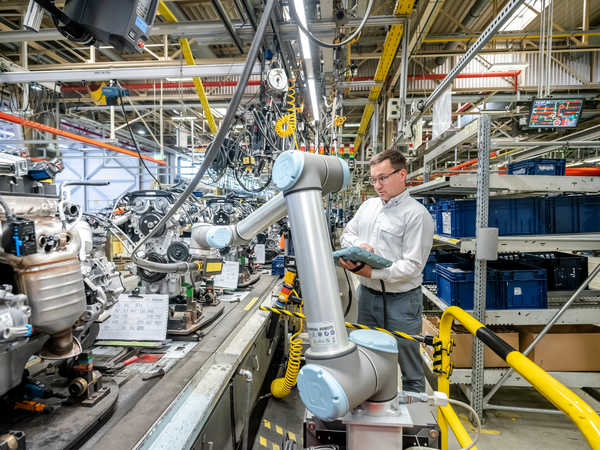
Apriete de tuercas en automoción
El atornillado y el apriete de tuercas suelen implementarse en las mismas estaciones o en estaciones contiguas y se evalúan conjuntamente como estrategias de fijación.
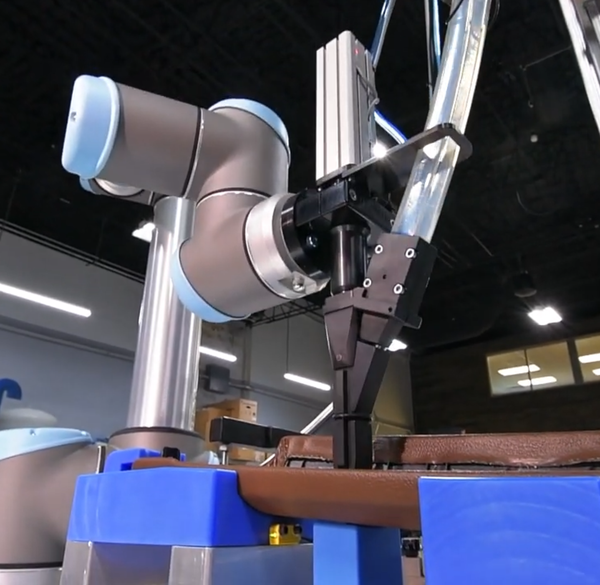
Inserción de clips en automoción
Inserción automatizada de clips para conjuntos interiores y exteriores, mejorando la consistencia y reduciendo los daños en las piezas.
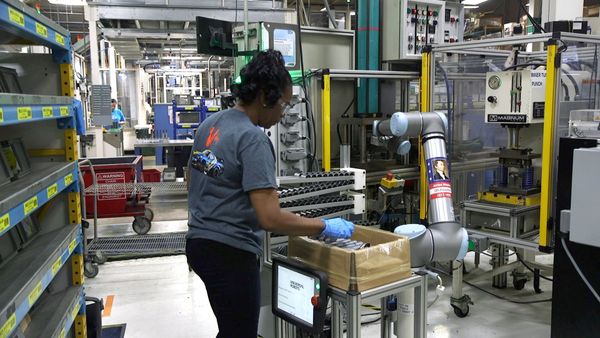
Montaje por ajuste a presión en automoción
Operaciones robóticas de ajuste a presión (press-fit) para la inserción controlada de rodamientos, casquillos y componentes de precisión.
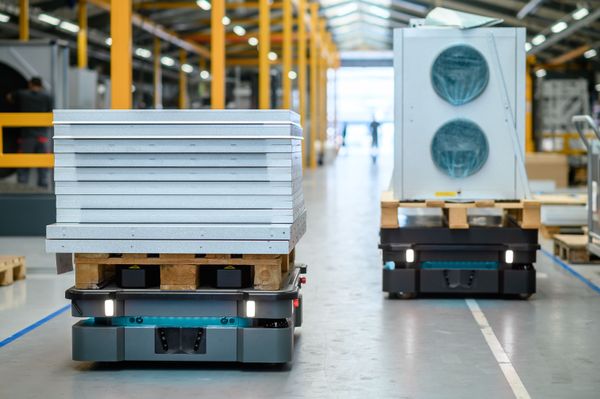
Transporte de piezas de automóviles
La fabricación de automóviles depende de un flujo continuo de materiales. Los componentes, kits y contenedores deben llegar a la estación correcta justo cuando se necesitan para garantizar el tiempo de producción y la estabilidad de la misma.
Fabricación de automóviles: robots diseñados para una producción resiliente
Cómo los robots y los AMR escalan la producción de automoción y la intralogística: aplicaciones clave y casos reales para OEM y proveedores de componentes.
)
Descubre la retirada de desechos antes de implementarla
Adéntrate en nuestra fábrica de automoción virtual para ver cómo los cobots UR respaldan la retirada de desechos y otros procesos de montaje en las líneas de producción modernas.
)
Habla con un experto en automatización de automoción
Analiza tus desafíos de producción e identifica dónde la robótica puede generar el impacto más rápido.
)
Explora todas las soluciones de fabricación de automóviles
Robótica que respalda la fabricación justo a tiempo, el montaje uniforme y procesos de automoción robustos.
Dentro de nuestro eBook encontrarás
Principales impulsores: comprende cómo la robótica respalda la productividad, la flexibilidad y unas operaciones resilientes en la fabricación de automóviles.
Visión general de las aplicaciones: explora flujos de trabajo clave, desde el atornillado y la soldadura hasta el montaje de baterías de VE y el transporte de piezas.
Resultados comprobados: descubre casos reales y aplicaciones prácticas que demuestran mejoras de eficiencia y calidad, y un ROI tangible.